Executive Overview
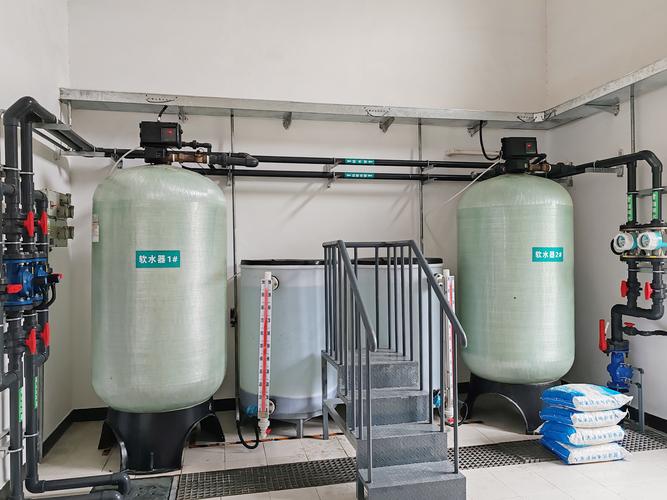
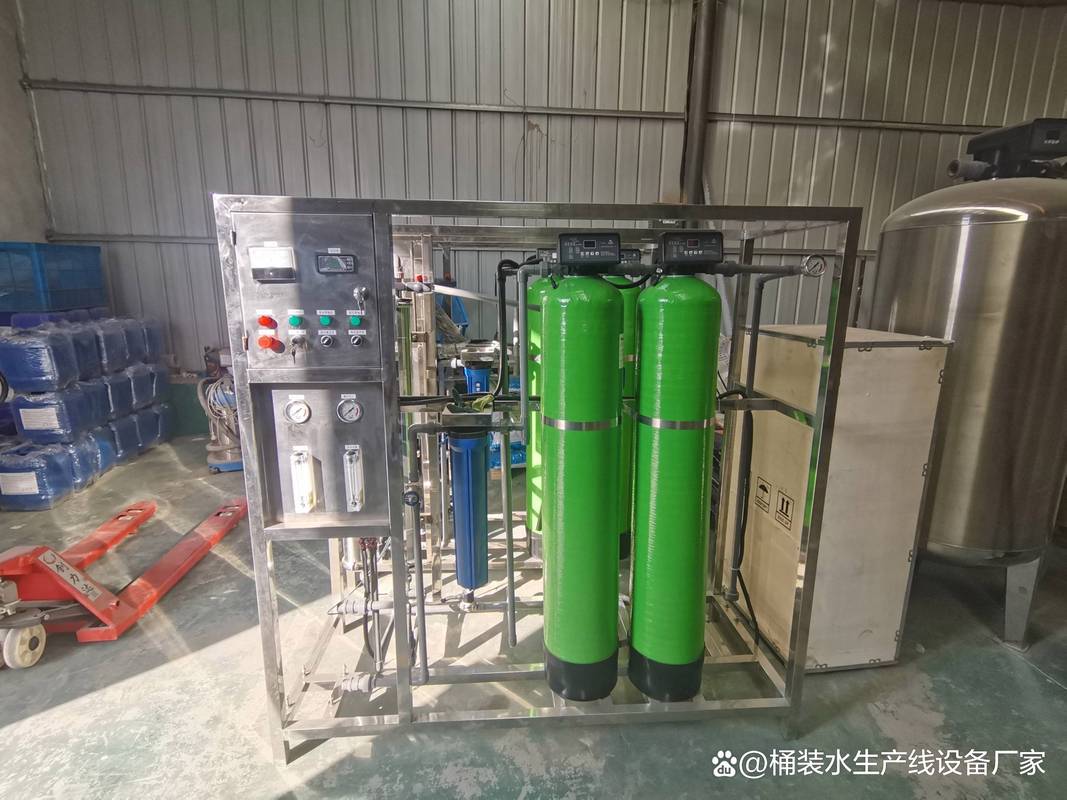
Industrial and commercial operations often face significant challenges from hard water, which contains high concentrations of calcium and magnesium ions. These minerals cause scale buildup in boilers, heat exchangers, cooling towers, and piping systems—leading to reduced heat transfer efficiency, increased energy costs, frequent maintenance, and shortened equipment lifespan. Water softening fully automatic systems provide a reliable, efficient, and cost-effective solution by removing hardness ions through ion exchange technology. This article explores the fundamentals of water softening, compares common hard water treatment methods, and details the design, operation, and benefits of fully automatic softening water systems for modern water treatment equipment.
Understanding Hard Water and Its Impact
Hard water is characterized by dissolved calcium (Ca²⁺) and magnesium (Mg²⁺) ions, typically measured in grains per gallon (gpg), parts per million (ppm), or German degrees (°dH). While not a health hazard, hardness poses serious operational problems:
- Scale deposition on heat transfer surfaces, reducing thermal efficiency by up to 20–30%.
- Increased energy consumption as heating elements work harder to overcome insulating scale layers.
- Clogged pipes and valves, leading to pressure drops and flow restrictions.
- Higher chemical usage for cleaning, detergents, and anti-scalants.
- Shortened equipment life due to corrosion and overheating.
Industries such as food and beverage, pharmaceutical, power generation, textile, hotel, and HVAC all require controlled water hardness for optimal performance.
Common Hard Water Softening Methods
Several technologies exist for hard water treatment, each with distinct advantages and limitations:
1. Ion Exchange (Salt-Based Softening)
The most widely used method for full-scale water softening. Hard water passes through a resin bed where calcium and magnesium ions are exchanged for sodium or potassium ions. When the resin becomes saturated, it is regenerated with a brine solution. This method consistently removes up to 99% of hardness and is the basis for most automated water softeners.
2. Lime Softening (Chemical Precipitation)
Used primarily in municipal and large industrial plants. Lime (calcium hydroxide) and sometimes soda ash are added to raise pH and precipitate calcium carbonate and magnesium hydroxide. The resulting sludge is removed. While effective, it requires chemical handling, sedimentation, and sludge disposal. Best suited for high-volume, high-hardness waters.
3. Reverse Osmosis (RO)
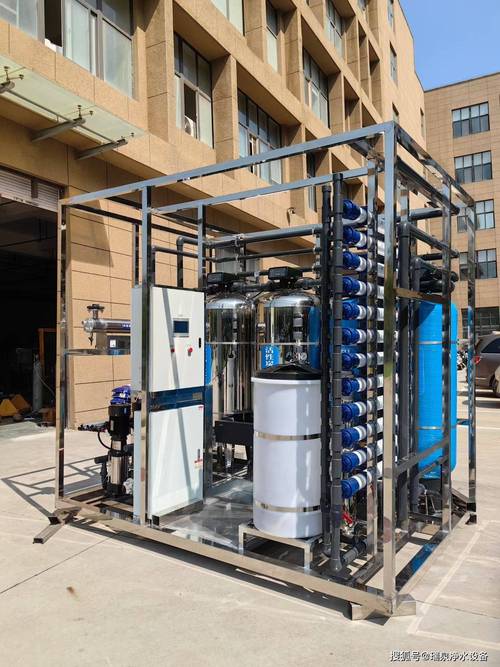
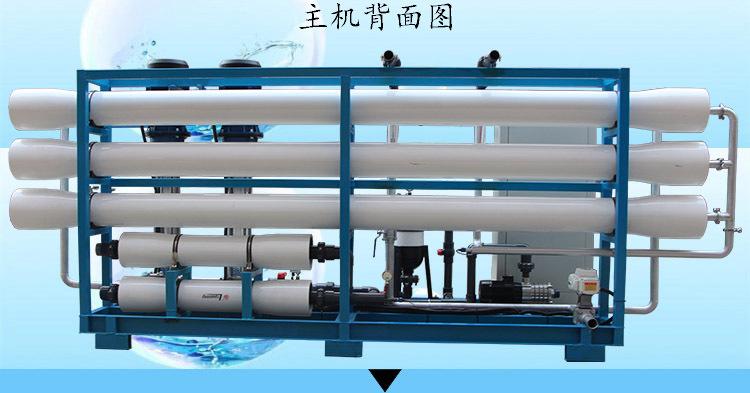
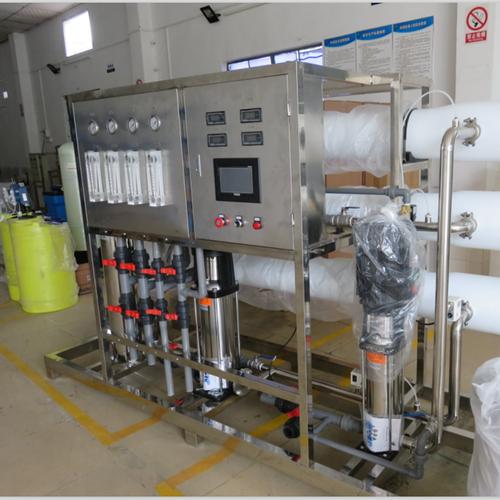
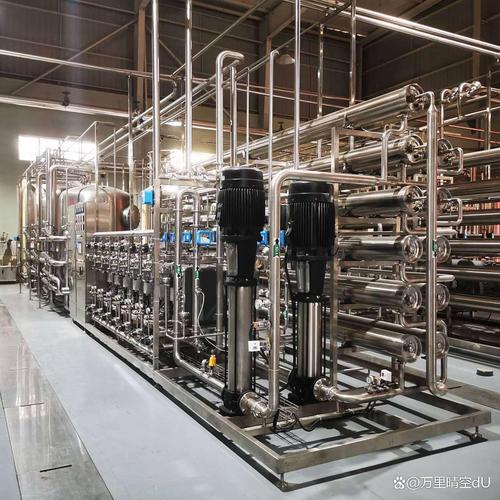
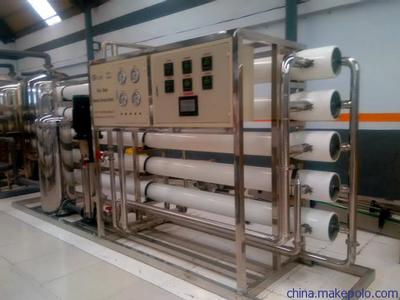
RO membranes reject a broad range of dissolved ions, including hardness minerals, via pressure-driven filtration. RO is often used as a polishing step after softening or where high-purity water is needed. However, RO systems are more expensive, produce reject water, and are sensitive to scaling without pretreatment.
4. Nanofiltration (NF)
A membrane process between RO and ultrafiltration that selectively removes divalent ions like Ca²⁺ and Mg²⁺. NF operates at lower pressures than RO and is effective for partial softening, though it is less common for pure hardness removal.
5. Chelating Agents and Threshold Inhibitors
Chemical additives such as EDTA or phosphonates sequester hardness ions or prevent scale formation. This is not true softening but chemical conditioning. It is useful in once-through systems but increases chemical oxygen demand and can be environmentally problematic.
6. Electromagnetic / Electronic Water Conditioners
These devices alter the crystallization behavior of hardness minerals without removing them. They are low-cost and chemical-free but have variable and often unproven efficacy in industrial settings.
For reliable, predictable results in commercial and industrial water treatment equipment, ion exchange remains the gold standard—especially when integrated into a fully automatic water softening system.
How Ion Exchange Water Softening Works
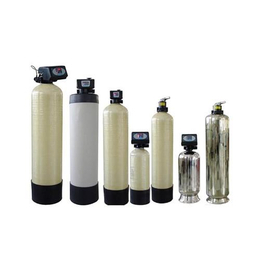
The core of an ion exchange softener is a pressure vessel filled with strong acid cation resin in sodium (Na⁺) form. As hard water flows through the resin bed, the following reversible reaction occurs:
Ca²⁺ (or Mg²⁺) + 2Na⁺-Resin → Ca²⁺-Resin + 2Na⁺
After a set volume of water is treated or a predetermined time interval, the resin is exhausted and must be regenerated. Regeneration consists of:
- Backwash – Reverses flow to lift and clean the resin bed, removing particulates.
- Brine Draw – A concentrated sodium chloride (brine) solution is drawn through the resin, replacing captured hardness ions with sodium ions.
- Slow Rinse – Displaces residual brine and rinses the resin.
- Fast Rinse – Flushes remaining brine to drain and compacts the resin bed.
- Refill – Recharges the brine tank with water for the next regeneration cycle.
Automation ensures these steps occur at the optimal time based on water usage, salinity, and resin capacity, maximizing efficiency and minimizing salt and water waste. (Source: Water Quality Association)